The Riwaayat Story
From a single bench in old Delhi to a private atelier with karigars across four cities — a quiet history of refusing to do things faster than they deserve.
Riwaayat is the Urdu word for tradition — but not the kind that gathers dust. It means a tradition that is alive, that breathes, that is told again at every gathering until it becomes the inheritance of every person in the room. Our jewellery is meant to behave the same way.
From the bench, onward.
The Founding
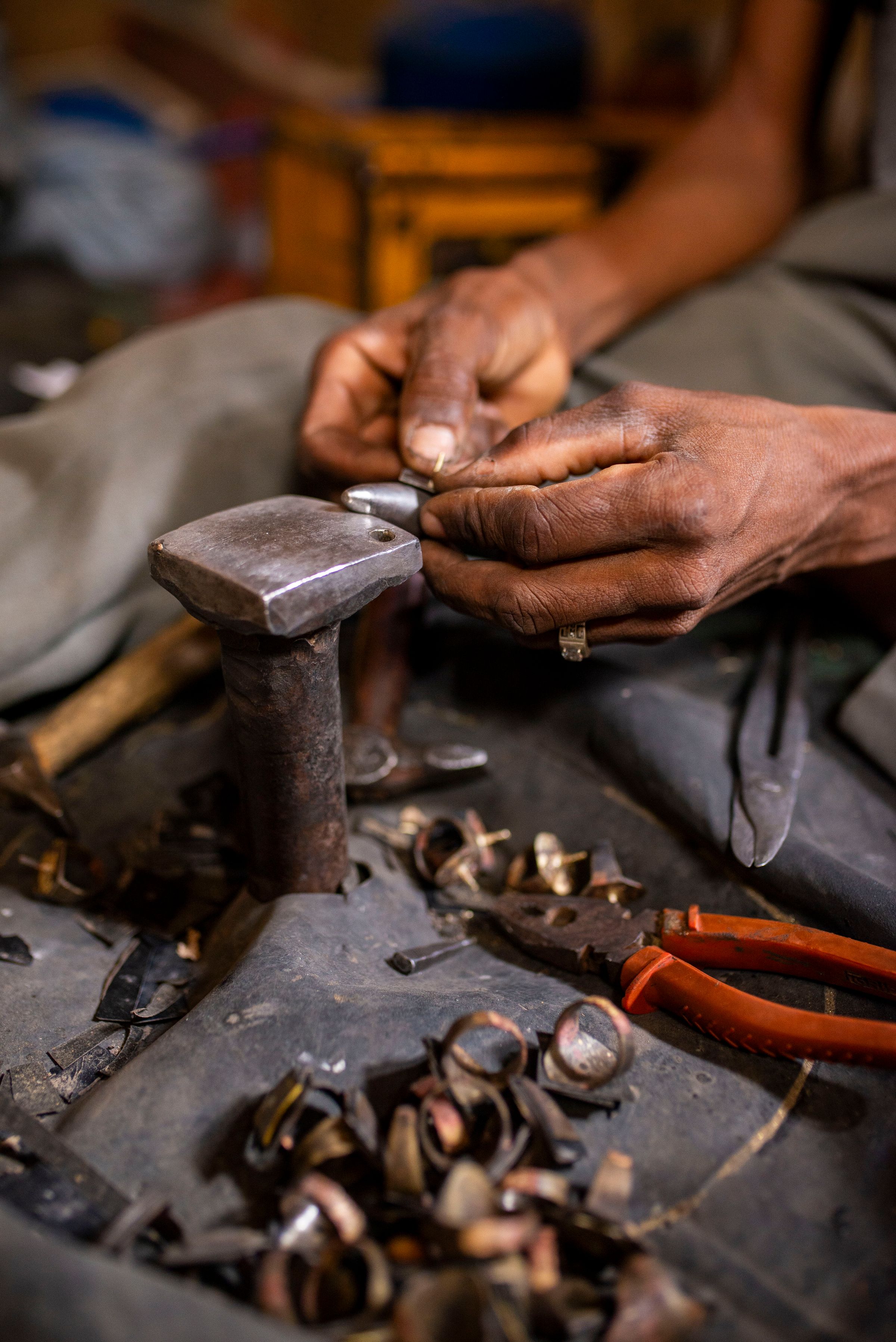
Master jeweller Pir Bakhsh sets up a single bench in the alleys of Chandni Chowk, three days after Partition. He carries one tool roll across the border. He will not leave it for 60 years.
The Workshop in Jaipur
Riwaayat moves its karigar workshop to the pink city, taking on three families of polki and kundan masters whose lineage traces back to the Jaipur royal court.
First Royal Commission
The atelier completes a multi-set bridal commission for the princely family of Kapurthala. The drawings are still held in our archive.
The Mumbai Salon
A second salon opens in Bombay's Kala Ghoda, designed by the late architect Charles Correa as a single room with one bench and one chair.
The Heritage Re-issue
Riwaayat begins reverse-engineering pieces from 19th-century Indian miniature paintings — the Heritage Collection is born.
Signature Riwaayat
The first numbered piece — Riwaayat No. 1 — is released. Each Signature carries a hand-illustrated folio of its making.
Three Generations
Founder's grandson Aarav Singh leads the house. The same families of karigars work the same benches. The single tool roll is in a vitrine in our Chandigarh salon.
The hands behind the house.
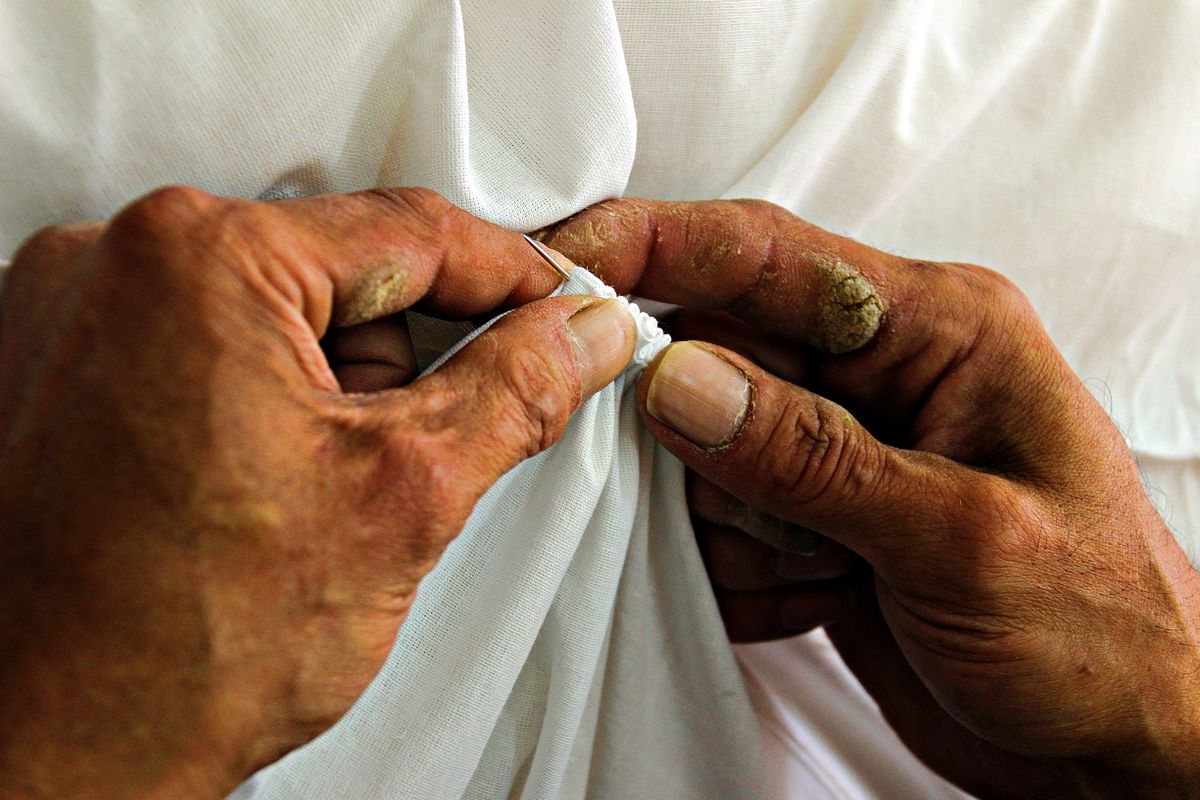
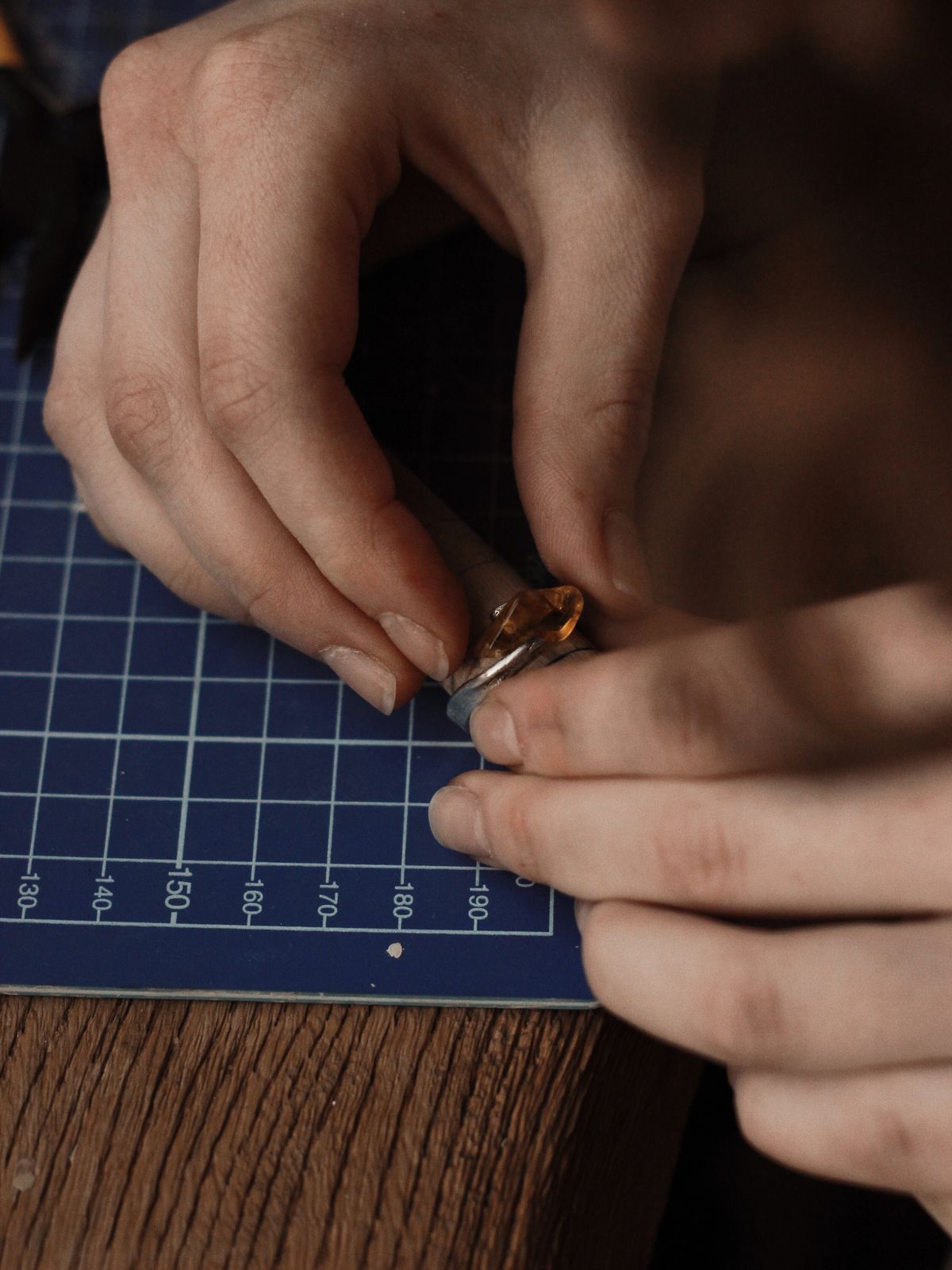
We name our karigars on every certificate. It is the only signature that matters.
“A tradition, alive, is passed on before it is finished.”
Visit our atelier in Chandigarh. Walk the workshop in Jaipur. We will give you a longer story than this page can hold.
Plan Your Visit